





The whole point of mitigation is to stop the damage from growing. Repair is a different job. Think of it as all the protective work that comes first, aimed at saving what remains sound. Our Spring crew mitigates a loss in four moves: control the source, extract the water, contain the wet zone and stabilize the building. Good mitigation makes the later repair smaller, and now and then makes it unnecessary.
Many homeowners treat restoration and mitigation as one and the same. They are two phases. During mitigation, the urgent part, the loss is halted, its spread is limited and the home is made stable. Once the structure tests dry, restoration takes over and covers repairing or rebuilding finishes, drywall and floors that were damaged. Insurance companies also bill the two as separate line items, which makes it useful to know your current phase.
On a standard mitigation call we work through four items. Source control, so no new water enters. Extraction, so standing water is gone. Three: contain the area with plastic sheeting and managed airflow, so clean rooms stay free of moisture and contaminants. Four: stabilize by pulling materials beyond saving, applying antimicrobial to surfaces and setting up air movers plus dehumidifiers. Along the way, your belongings and furniture get moved or set up on blocks to keep them safe.
Water Damage Mitigation, Step by Step
We follow a proven process to ensure every job is completed to the highest standards. Here's what you can expect when you choose Spring Restoration:
Stop the Water Source
The supply gets shut off, the broken line capped, or the opening letting water in tarped and boarded. When the permanent repair calls for a roofer or plumber, we help schedule it.
Extract the Water
Pumps and extractors take out the standing water, and we inspect the carpet and pad. Drying machines on their own cannot limit damage the way prompt bulk extraction does.
Set Up Containment
Plastic barriers and controlled airflow separate wet rooms from dry ones. As a result, contaminants, dust and humid air stay put instead of spreading around the house mid-job.
Stabilize and Dry
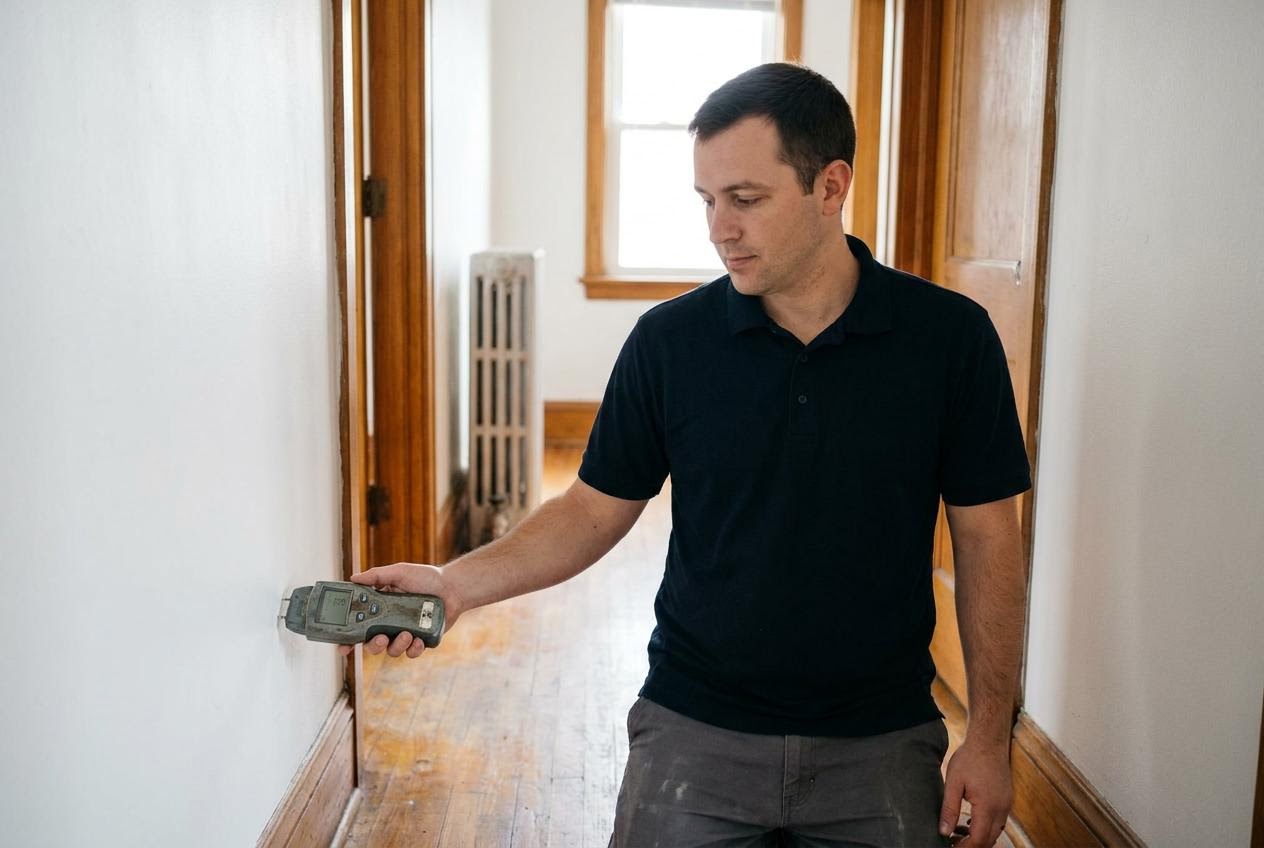
Materials past saving come out, an antimicrobial is applied to surfaces, and air movers plus dehumidifiers go in. Moisture readings are recorded on every visit until the structure can be repaired, typically in 3 to 5 days.
Water Damage Mitigation Issues? We Can Help.
Our IICRC-certified technicians are standing by to help.
Call (785) 203-1097 NowWater Damage Mitigation Prevention Tips
A little prevention goes a long way in avoiding expensive restoration emergencies. Follow these tips from our IICRC-certified technicians:
- Install an automatic shutoff valve that closes the main when a leak is detected.
- Slope the soil away from the house so rainwater does not pool against the walls.
- Downspouts should empty well clear of the foundation, and gutters need to stay free of debris.
- Check under sinks and around toilets monthly for drips, stains or soft flooring.
- A main shutoff that will not turn is no help, so locate and test yours.
- In cold months, a heated house protects pipes from freezing, even while you travel.
The Benefits of Professional Water Damage Mitigation
Fast decisions, one after another, are what mitigation consists of. Which drywall can be dried in place and which has to be cut out? Has the water shifted category since the leak started, and is it Category 1, 2 or 3 now? Is removing the cabinet toe kick necessary? Each decision rests on meter readings and our training, never on whether something seems dry to the eye or hand.
There is a claim-related reason to do mitigation right as well. Under most policies you must act reasonably to keep the damage from growing, with proof that you did. On arrival we take photos, then log moisture readings every day and itemize whatever is removed. That file shows what the water did and what was done about it. It also gives the repair contractor a clear starting point, with no wet surprises behind new drywall.
When to Call for Water Damage Mitigation in Spring
Catching these issues early helps you avoid costly problems and protect your property. Watch for these telltale signs that professional help is needed:
- Water is moving from one room into the next along the flooring.
- Your insurer has told you to take reasonable steps to prevent further damage.
- Underfoot the carpet is spongy because the padding below holds water.
- A leak has been stopped but floors, walls or cabinets are still wet.
- The pipe was repaired by a plumber, and the water it released is still there.
- Rain is getting inside through a damaged roof or an open window gap.
- The house feels muggy and window glass is wet with condensation since the leak.
Act Before It Gets Worse
Many water damage problems start small but can escalate quickly into costly emergencies. If you notice any of these signs, contact Spring Restoration at (785) 203-1097 for a prompt evaluation.
Questions About Water Damage Mitigation?
Our experienced technicians can assess your situation and recommend the best solution.
Call (785) 203-1097 NowWater Damage Mitigation: DIY or Professional?
Some simple tasks are suitable for DIY, but most water damage work benefits from professional tools, training, and experience. Here's a comparison:
| Factor | DIY Approach | Professional Service |
|---|---|---|
| Contaminated water | Household bleach where you can see | Treatment chosen by water category |
| Extraction | Wet vac and a stack of towels | Bulk water out with pumps, extractors |
| Knowing when it is dry | Dry when it feels dry | Each visit measured, not guessed |
| Isolating wet rooms | Closed doors and towels | Sealed barriers and controlled airflow |
| Material decisions | Guess what can be saved | Keep or remove, based on moisture readings |
Frequently Asked Questions About Water Damage Mitigation
Talk to a Water Damage Mitigation Expert
The sooner you call, the sooner we can help. Reach Spring Restoration for same-day service.
Call (785) 203-1097 Today